
The future of brand building is experiential.
Why creating real-world experiences is the key to lasting brand loyalty.
As the calendar year comes to a close, November and December mark a critical time for marketers - balancing end-of-year reporting with planning for the year ahead. As we look toward 2026, one thing should be front of mind: brand experiences.
Physical brand experiences are a powerful way to connect consumers more deeply with brands and that’s never been more important in today’s digital, competitive landscape.
So, what exactly are physical brand experiences and why do they matter?
As the name suggests, these are real-world moments that bring a brand to life in physical form. Think activations, pop-ups, events, sponsorships, shop-in-shops, PR stunts, trade shows, and exhibitions. What do all these have in common? Human connection.
In a world dominated by screens, human connection has become the key to building community. And brands with strong, like-minded communities will see the greatest success. Connection is a basic human need - we all crave it. Whether it’s exchanging a smile, sharing a laugh, or having a meaningful conversation with someone who shares our values, we want to feel something. It’s human nature.
While digitalisation has created incredible opportunities for reach and growth, digital marketing alone won’t be enough to maintain loyalty in 2026. Consumers are seeking real-world interactions that spark emotional connection - the kind of enriching, textural experiences that live beyond a screen. This isn’t about abandoning digital; it’s about finding balance between digital convenience and real-world connection.
Why brand experiences matter for business.
Physical brand experiences have long played a crucial role in building awareness and loyalty. The chance to interact in person, in real time, is one of the most authentic ways to strengthen consumer relationships and drive brand loyalty over time. It’s not a new concept but when done well, it’s a powerful way to differentiate your brand.
Here are a few recent standouts:
Terrazza Aperol, Australian Open 2025
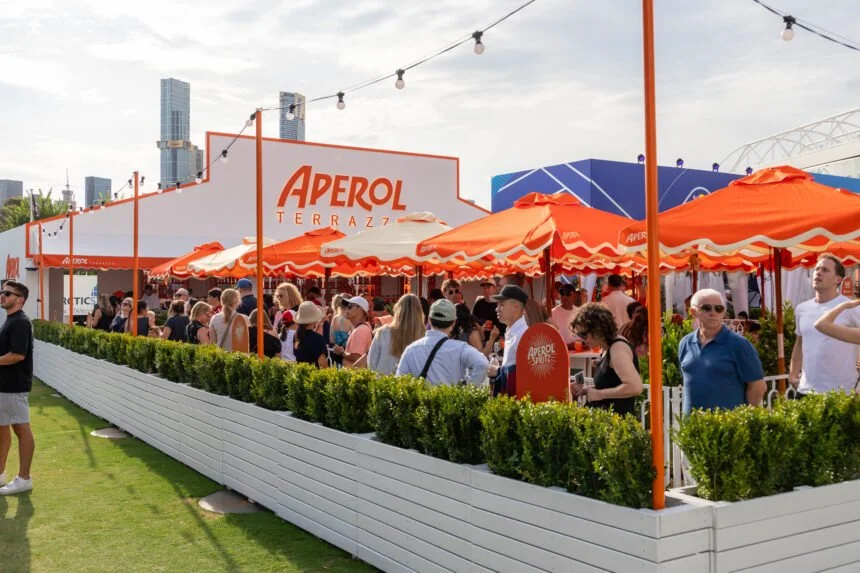
Aperol’s pop-up at AO last year brought a taste of Italy to Melbourne, inviting fans to embrace the Italian tradition of Aperitivo Hour - equivalent to Australia’s Happy Hour.
Why it worked: it gave people space to connect, create memories, and share a moment over an Aperol Spritz. Those memories naturally tied back to the drink and the Aperol brand.
Source: Bandt
Sponsor Village, The Block 2025
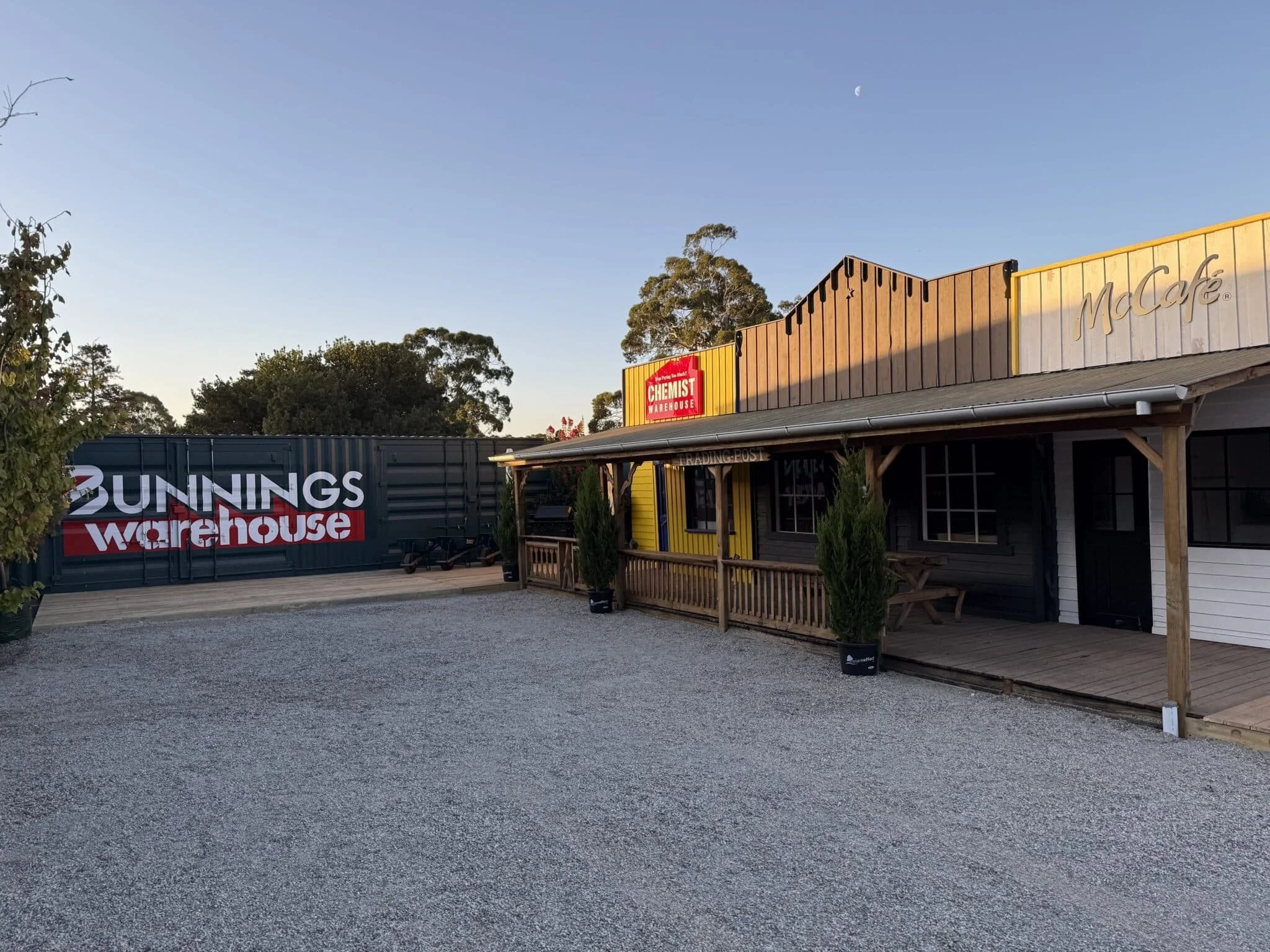
The Block returned in 2025 with a bang! Breaking records thanks to fresh concepts that kept viewers hooked from start to finish. One standout was the Sponsor Village: a collection of mini-stores from Australia’s most loved brands including McCafé, Chemist Warehouse, Bunnings, and The Block Pop-Up Store.
Why it worked: the integrations felt organic and unscripted, offering genuine interactions that built credibility and kept these brands front of mind.
Source: Bandt
RM Williams, Father’s Day 2025
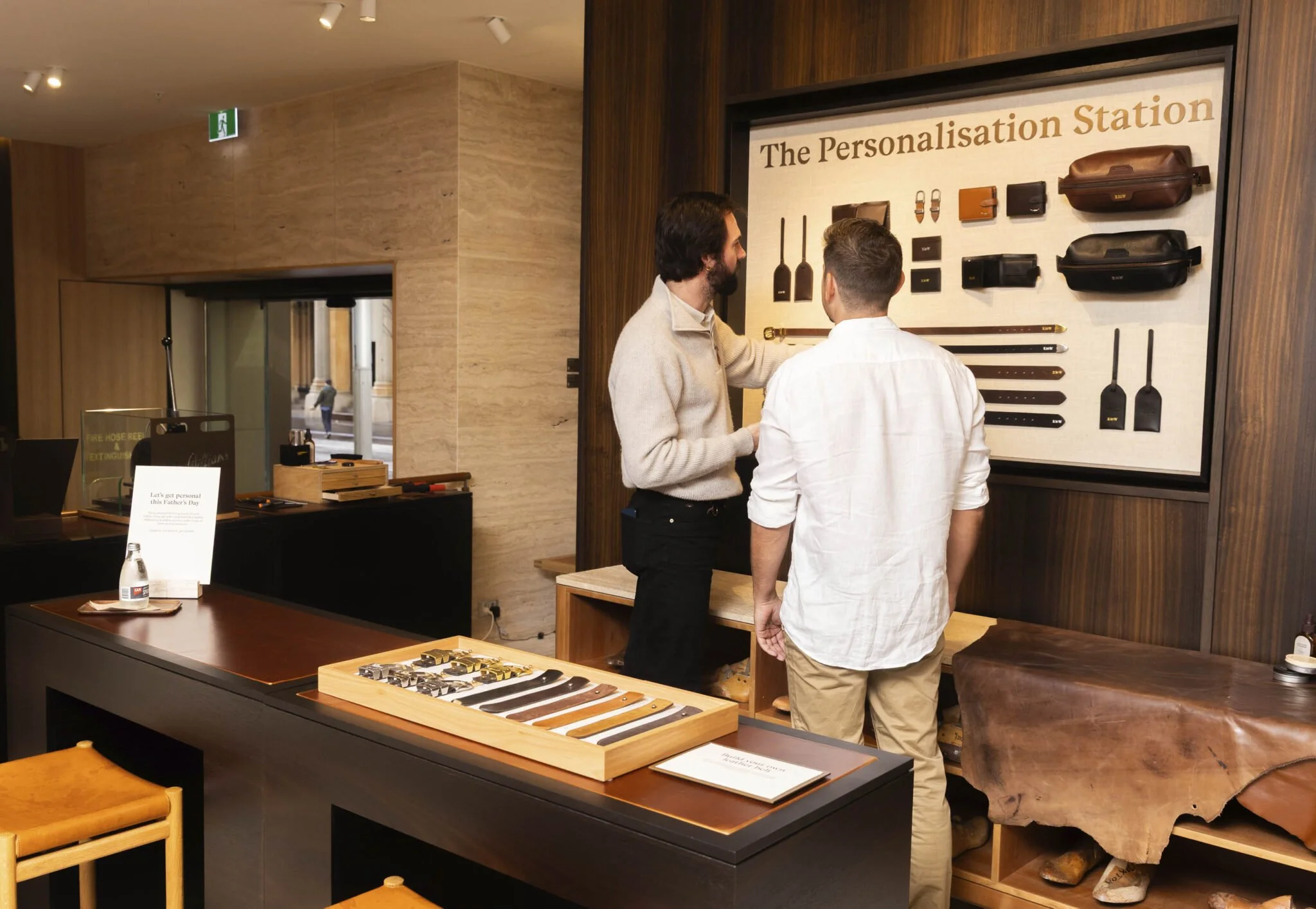
RM Williams elevated their Father’s Day campaign with a tactile in-store experience celebrating the legacy of the Drover Belt. In partnership with Dashing Group, they crafted bespoke plinths and personalisation stations across seven stores nationally, allowing shoppers to create bespoke and memorable gifts.
Why it worked: it combined craftsmanship, personalisation, and emotion - all the hallmarks of a lasting brand connection that builds loyalty over time.
Source: Dashing Group
The takeaway.
Brand experience matters. Whether it’s an outdoor activation, PR stunt, event, or sponsorship, it’s about creating memorable moments and human interactions that bring your brand to life. As you plan for 2026, consider how brand experiences fit into your marketing strategy - they’ll be key to your success.
Marketers, I’d love to hear your hot take.
X Gen